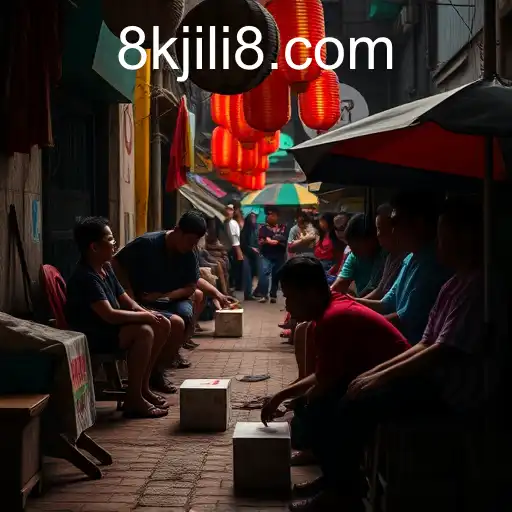
The Complex World of Jueteng: An In-Depth Exploration
The illicit numbers game known as jueteng holds a unique position within the socio-political landscape of the Philippines. This form of illegal gambling has persisted through decades, offering a fascinating lens through which to examine Filipino culture, economics, and politics. Despite numerous government efforts to eradicate it, jueteng remains deeply entrenched in many communities. The game, notorious yet resilient, provides not just entertainment but also a living for thousands of people. In this article, we will explore various aspects of jueteng, from its origins to its profound societal impacts, all tied to the enigmatic keyword: 8KJILI.Nino Gaming
Understanding Jueteng
Jueteng is a numbers game similar to a lottery, originating from China and later integrated into Filipino society during the Spanish colonial period. As a betting game, it involves small wagers on a pair of numbers, typically ranging between one and thirty-seven. Drawings are held multiple times a day, making it a fast-paced and engaging form of gambling.
The Mechanics of the Game
The mechanics of jueteng are deceptively simple. Participants place their bets on any combination of numbers with a cobrador or collector. These collectors then report to the cabos, who oversee group operations and funnel the bets to a banker. With odds often favoring neither party overtly, it's the frequent, successive draws that fuel the allure for bettors.PHP WIN
Why Jueteng Endures
The endurance of jueteng within Filipino society, despite the risks, is multifaceted. Economic necessity, cultural acceptance, and lax enforcement of gambling prohibitions contribute substantially to its persistence. These factors, intertwined with political corruption and patron-client relationships, form a complex web that shields jueteng from eradication.
Economic Impact
In many rural areas, jueteng serves as an economic lifeline. The game provides not only entertainment but also a source of income for numerous individuals who work as collectors and runners. Furthermore, winnings from the game often go back into the community, sustaining local economies. Effectively, jueteng acts as an unofficial and largely untaxed micro-economy that cannot easily be dismissed.
Jueteng and Culture
The ingrained presence of jueteng in Filipino culture is another reason for its resilience. Over generations, it has become more than just a game; it is a social activity that binds communities. In many ways, jueteng embodies the struggles and aspirations of individuals who view it as a vehicle for potential prosperity, however fleeting or illusory that prosperity might be.EasyGames casino
Social Dynamics
Jueteng also plays a significant role in the social dynamics within communities. Gathering for daily draws offers a platform for social interaction and camaraderie. The shared experience of hoping for a win fosters a communal spirit and collective identity around this clandestine activity.A45.VIP
Political Influence and Corruption
Jueteng's interplay with politics significantly complicates its eradication. The game is intertwined with Philippine political structures through corruption. It is no secret that some politicians benefit from the proceeds of jueteng. Law enforcement agencies often overlook its operations due to monetary incentives, further emboldening its perpetuation.
The Role of Politicians
Politicians, particularly in local government, have been implicated in protecting jueteng operators in exchange for financial backing, illustrating a symbiotic relationship between political survival and jueteng operations. This complicity makes tackling jueteng not just a matter of law enforcement but also of political will.
The Challenge of Eradication
Attempts to curtail jueteng have largely been unsuccessful, hampered by several unresolved issues. These challenges are not just logistical but deeply rooted in societal structures that support the game. Addressing jueteng effectively requires a comprehensive approach that considers economic substitutes, legal reforms, and cultural shifts.
Legal and Legislative Approaches
Efforts to replace or legalize jueteng with formal gambling systems have seen mixed success. The Philippine Charity Sweepstakes Office (PCSO) offers authorized lottery options, yet these do not capture the same audience due to the higher cost of participation and fewer draws. A regulated framework might provide a viable alternative yet requires stringent oversight free from corruption.Suerte Gaming
The intriguing persistence of jueteng in Filipino society requires a nuanced understanding of its economic, cultural, and political dimensions. Despite standing as an illegal endeavor, it persists atop a complex canopy woven through ambition, need, and community. Addressing its presence requires solutions that are as multidimensional as the factors that sustain it.